Hiring needs can change quickly. A team may need extra developers, engineers, or support professionals for a project, but domestic talent costs can rise when demand is high. This can make workforce planning harder, especially for companies that rely on contract staffing.
One approach gaining attention is nearshoring, which can provide access to skilled professionals in nearby countries while offering a different cost structure.
Let’s understand how this model can help manage staffing costs.
Why Domestic Staffing Rates Can Rise
Contract staffing rates are influenced by supply and demand. When certain skills are in short supply, companies begin to compete for the same professionals. This can push hourly rates higher, particularly for specialized technology, engineering, and healthcare roles.
Read More: A Look at Small Cap Stocks and the Price of Hindustan Copper Shares
Higher rates can affect project budgets and make it harder to maintain the right team size. Companies may also face added pressure when they need talent quickly or when a project continues for several months.
How Nearshore Staffing Can Help
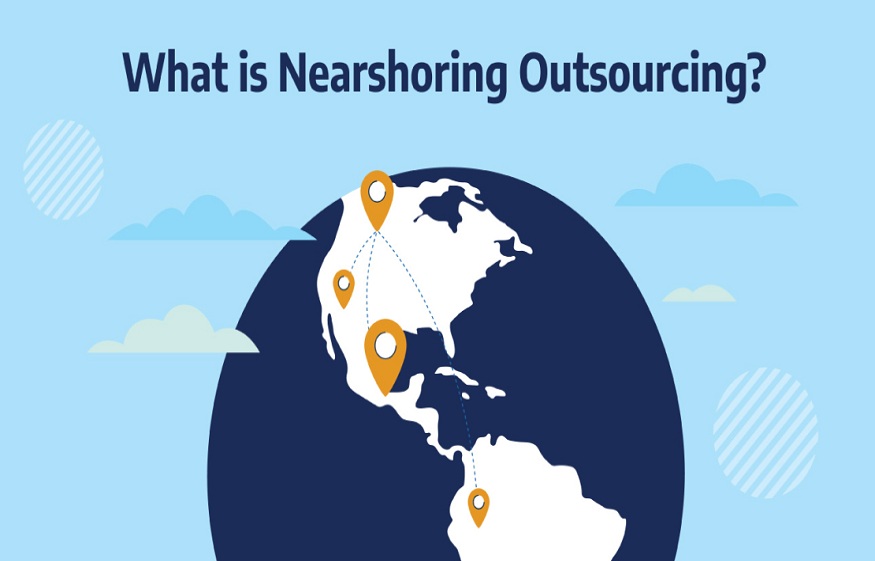
Nearshore staffing connects companies with professionals in countries that are geographically close to the United States.
The main advantage is access to a broader talent pool without relying only on the domestic market. Labor costs may also differ between the US and nearby markets. This can give companies another option when domestic rates become difficult to manage.
Time-zone overlap can also be useful. Teams can work during similar business hours, which makes meetings, project updates, and day-to-day collaboration easier.
A More Flexible Cost Strategy
Nearshore staffing does not have to replace domestic hiring. It can work alongside an existing workforce strategy.
For example, a US company can keep leadership and roles that require close oversight in the country while assigning suitable work such as development, testing, or customer support to nearshore teams. This allows the company to spread its workforce across different markets and avoid relying entirely on the US talent pool.
It also gives companies more flexibility when staffing needs change. Teams can adjust their workforce based on project timelines instead of making every hiring decision around local talent availability. This can be especially useful for seasonal work, short-term projects, or periods when hiring activity increases quickly across the industry.
Another benefit is the ability to build teams around specific project needs. Companies can look for specialized skills in nearby talent markets when those skills are harder or more expensive to find domestically, giving project managers another option when building their teams.
What Companies Should Consider
Cost should not be the only factor when comparing contract staffing options. Companies should also look at skill availability, communication, time-zone alignment, data security, and the ability to work within US business requirements.
Read More: How to Measure Success with Your Revops Agency
Strong role planning can make the transition to a nearshore model easier. Companies should first identify the skills each position requires, then decide which roles nearshore professionals can support and which are better suited to US-based teams.
Conclusion
For companies facing higher domestic staffing costs, nearshoring can provide an additional workforce strategy. It allows businesses to explore talent markets beyond the US while maintaining closer time-zone alignment than many offshore models. The right approach depends on the role, project, and business requirements.
When carefully planned, nearshore staffing can complement domestic teams and provide greater flexibility as companies respond to changing talent availability, project demands, and staffing costs.